

Thinking about giving your lawn in Mill Hill a bit of a makeover? It’s a great idea, especially after a long winter. But when’s the right time to get stuck in? Get it wrong, and you could be wasting time and money.
Let's figure out the best moments to tackle that lawn renovation and get it looking tip-top. We'll cover what to look for, the best seasons, and how to go about it, including when to call in the pros for some expert lawn care in Mill Hill, NW7.
Key Takeaways
- Check your lawn for moss, weeds, and bare patches to see if it needs attention.
- Spring and autumn are generally the best times for lawn renovation, avoiding summer heat.
- Proper preparation, like weed removal and soil improvement, is vital before seeding.
- Professional lawn care services in Mill Hill can offer guidance and complete maintenance.
- Fall renovations can be more cost-effective and prepare your lawn for winter and spring.
Assessing Your Lawn's Condition in Mill Hill
Before you even think about digging up your lawn or buying new seed, it's a good idea to take a proper look at what you're dealing with. Mill Hill gardens can be tricky, with our weather and soil types, so understanding your lawn's current state is the first step to getting it back in shape. It's not just about how it looks; it's about what's going on beneath the surface.
Identifying Moss and Weed Infestations
Moss is a common sight, especially in shady or damp areas. It often means your soil might be compacted or too acidic. You'll see it as a thick, green carpet that can choke out grass. Weeds are another story. Dandelions, clover, and other broad-leafed plants are not just unsightly; they compete with your grass for nutrients, water, and sunlight. A healthy lawn is the best defence against weeds.
Understanding Soil Acidity and Turf Health
Most grasses prefer a slightly acidic to neutral soil pH. If your soil is too acidic, moss tends to thrive, and grass struggles. You can get a simple soil testing kit from a garden centre to check this. A pH reading below 6.0 usually indicates acidity. Poor soil structure, such as compaction, also hinders root growth and makes the grass weaker, more prone to disease, and more susceptible to drought.
Recognising Thinning and Patchy Grass
Look closely at your lawn. Are there areas where the grass is sparse, leaving the soil visible? These patches can be caused by a number of things: pet urine, fungal diseases, insect pests, or simply wear and tear. If large sections are thinning out, it's a clear sign that the grass isn't getting what it needs to grow strongly. It's important to figure out why before you try to fix it.
Taking the time to properly assess your lawn's condition now will save you a lot of time and money down the line. It helps you choose the right treatments and the best time to apply them, making sure your efforts aren't wasted.
When you're ready to get professional help with your lawn, remember that local experts can provide on-site assessments to identify specific issues in your Mill Hill garden.
The Ideal Seasons for Lawn Renovation
Deciding when to tackle your lawn renovation is almost as important as the work itself. Get it wrong, and you could be setting yourself up for disappointment. But get it right, and you're giving your lawn the best possible chance to thrive.
Spring: A Time for Seeding and Growth
Spring often feels like the natural time to get things growing again, and for lawns, it's a pretty good bet. Once the worst of the winter chill has passed and the soil starts to warm up a bit, it's prime time for sowing new seed. This is when your lawn has a good, long stretch of favourable weather ahead of it to establish itself.
Think early May to mid-June for sowing. If you get it in too early, the seeds might germinate, but they'll grow slowly. It’s also a good idea to pick a seed mix that matches the amount of sun your lawn gets. If you're overseeding, you'll want to use a decent amount of seed – maybe around 5 lbs for every 1000 square feet, depending on how patchy things are.
After you've spread your seed, a light raking helps settle it in. Then, a thin layer of mulch can make a big difference. Keeping the new seed consistently moist is key for the first week or two, until it's properly germinated. Even with our typical spring showers, it's wise to have a hose and sprinkler ready just in case.
Autumn: Preparing for Winter and Future Blooms
While spring gets a lot of the glory, autumn is actually a fantastic time for lawn renovation, especially if you're thinking ahead. The weather is usually milder, making it more comfortable to work outdoors.
Plus, the soil is still warm from summer, but the air is cooler, which is perfect for new grass to develop strong roots before winter really sets in. It's also a great time for planting shrubs and other greenery that will look good come spring.
Many people overlook autumn for lawn work, but it offers a unique window of opportunity. The cooler temperatures and warm soil create ideal conditions for grass seed to germinate and establish a robust root system, setting the stage for a lush lawn the following year.
One practical benefit of renovating in the autumn is that tradespeople and suppliers are often less busy. This can mean easier scheduling and potentially better prices on materials and labour. It's also a smart move to get things done before the new year when prices might go up.
Plus, getting your lawn sorted in the autumn means it's looking its best for longer, improving your home's appearance and potentially its value, just in time for the spring selling season.
Avoiding Summer Stress on New Grass
Summer is generally the season to avoid major lawn renovation work, particularly seeding. Why? Because the heat and potential for dry spells put a lot of stress on young, vulnerable grass. Trying to keep newly sown seed adequately watered during a hot, dry summer can be a real challenge.
If the grass doesn't get enough water, it can die off, leaving you back at square one. It's much better to let your newly renovated lawn establish itself during the more forgiving spring or autumn months, so it's strong enough to handle the rigours of summer when it arrives.
Key Steps in Lawn Renovation
So, you've decided to give your lawn a lift? That's great! But where do you even start? It can feel a bit overwhelming, however, breaking it down into manageable steps makes all the difference. The goal is to create a healthy foundation for new grass to thrive.
Effective Moss and Weed Eradication
First things first, you've got to tackle those unwanted guests: moss and weeds. Moss loves damp, acidic conditions, so if you've got a lot of it, a soil test might be a good idea. For a quick fix, iron-based products can kill moss effectively. Once it's dead, rake it out thoroughly. You'll want to expose the bare soil underneath.
Weeds are a similar story. Some herbicides work even when it's a bit cooler, which is handy if you're working in spring or autumn. Look for products that tackle a wide range of weeds and are rain-fast once dry. Remember, you'll often need to wait a couple of weeks after applying weed killer before you can reseed.
Soil Preparation and Levelling
With the moss and weeds gone, it's time to get the soil ready. A thin layer of good-quality compost or rootzone mix can work wonders, feeding the soil and improving its structure. If you've got any dips or hollows where water tends to sit, now's the time to fill them in with topsoil. The aim here is to create a nice, even surface. This might take a bit of raking and tamping down, but it's worth it for a smooth finish.
A level lawn not only looks better but also helps with drainage, preventing future moss problems and ensuring water reaches the grass roots evenly.
Choosing the Right Grass Seed
This is where you pick the players for your new lawn. Think about how much sun your lawn gets. Is it a full sun-drenched spot, or does it get a lot of shade? You'll want a seed mix that's suited to those conditions.
For overseeding a thin lawn, you might need around 5 lbs of seed per 1000 square feet. It's always good to check the packet for specific recommendations.
Reseeding and Initial Care
Once you've got your seed, it's time to spread it. You can do this by hand or with a spreader for a more even distribution. After sowing, lightly rake the seed into the soil. Some people like to add a very thin layer of mulch on top – just enough to cover the seed without smothering it. This helps keep moisture in.
Watering is super important now. Water thoroughly at first, then keep the soil consistently moist, but not waterlogged, until the seeds germinate. This might mean light watering a couple of times a day, depending on the weather.
You'll want to hold off on mowing for about three weeks after the seed has sprouted. After that, a dose of lawn feed about 4-6 weeks later can give the new grass a good boost. If you're looking for help with garden maintenance, now might be a good time to consider professional advice.
Professional Lawn Care Services in Mill Hill
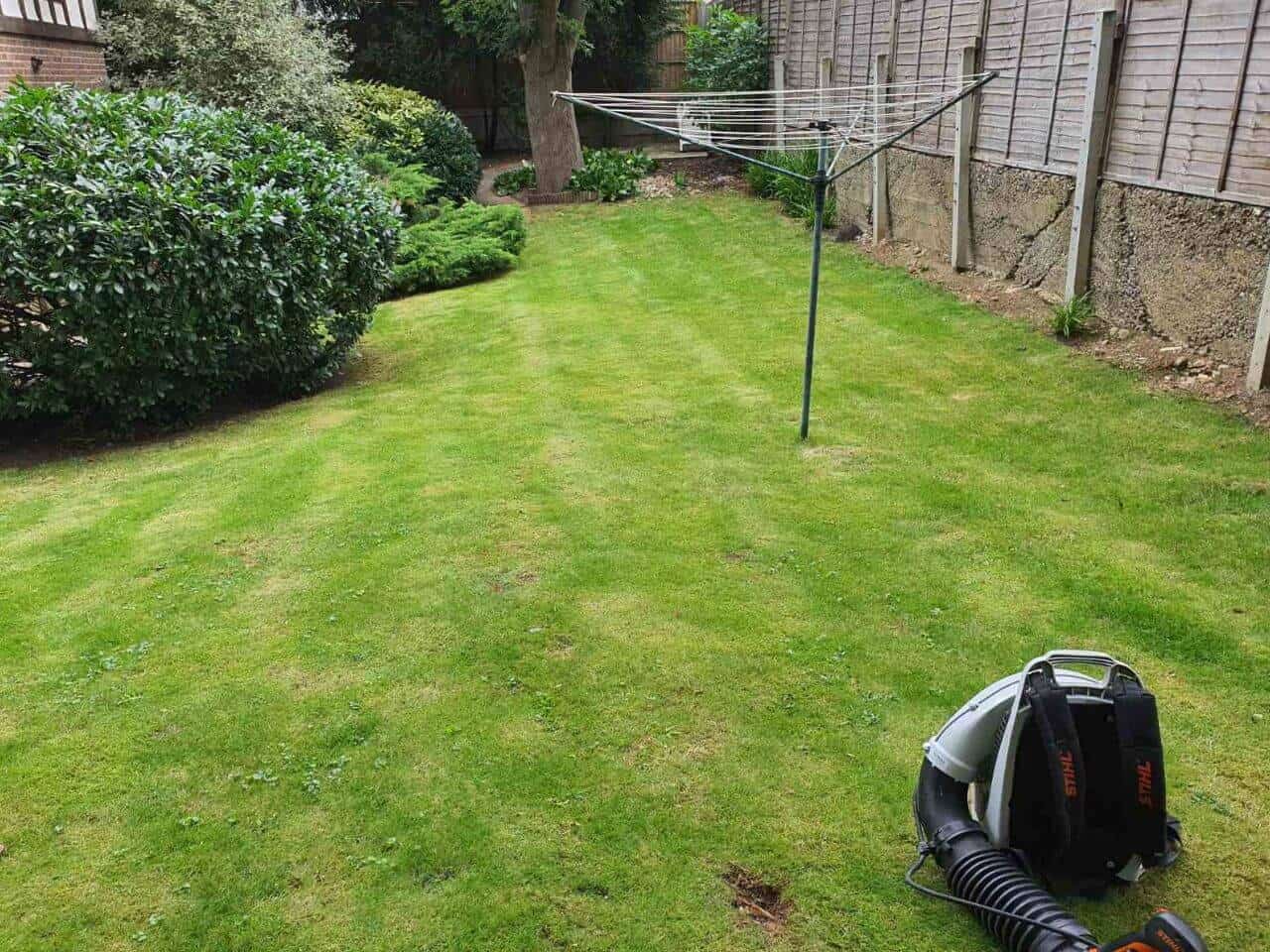
Expert Advice for Your Garden
Sometimes, you just need a bit of help. Trying to figure out what your lawn needs can be a real headache, especially when you're busy. That's where local lawn care professionals come in. They know the soil in Mill Hill, the common pests, and what grows best here.
NW7 experts can look at your lawn and tell you exactly what's going on, from moss problems to the best type of grass seed for your garden. It's like having a personal garden doctor who can diagnose any issues and suggest the right treatment.
Comprehensive Lawn Maintenance Packages
If you're thinking about a full lawn renovation or just want to keep things looking good year-round, a maintenance package can be a lifesaver. These services often include:
- Regular mowing and edging
- Weed and moss control
- Scarifying and aeration
- Seasonal feeding and treatments
- Leaf clearance and tidying
Having a team come out regularly means your lawn gets the attention it needs without you having to lift a finger. It's a great way to ensure your garden stays healthy and looks its best, no matter the season.
Affordable Landscaping Solutions
When it comes to getting your lawn looking its best, you might be worried about the cost. But many local services in Mill Hill aim to be quite affordable. They often have different packages to suit various budgets, and you can usually get a free quote to see what you're getting for your money. Some companies even offer deals if you book services at certain times of the year, which can be a smart way to save a bit.
Getting professional help can save you a lot of time and effort. They have the right tools and know-how to get the job done properly, often much faster than you could yourself. Plus, they can handle all the messy bits, like waste disposal, leaving your garden looking neat and tidy.
Benefits of Fall Lawn Improvements
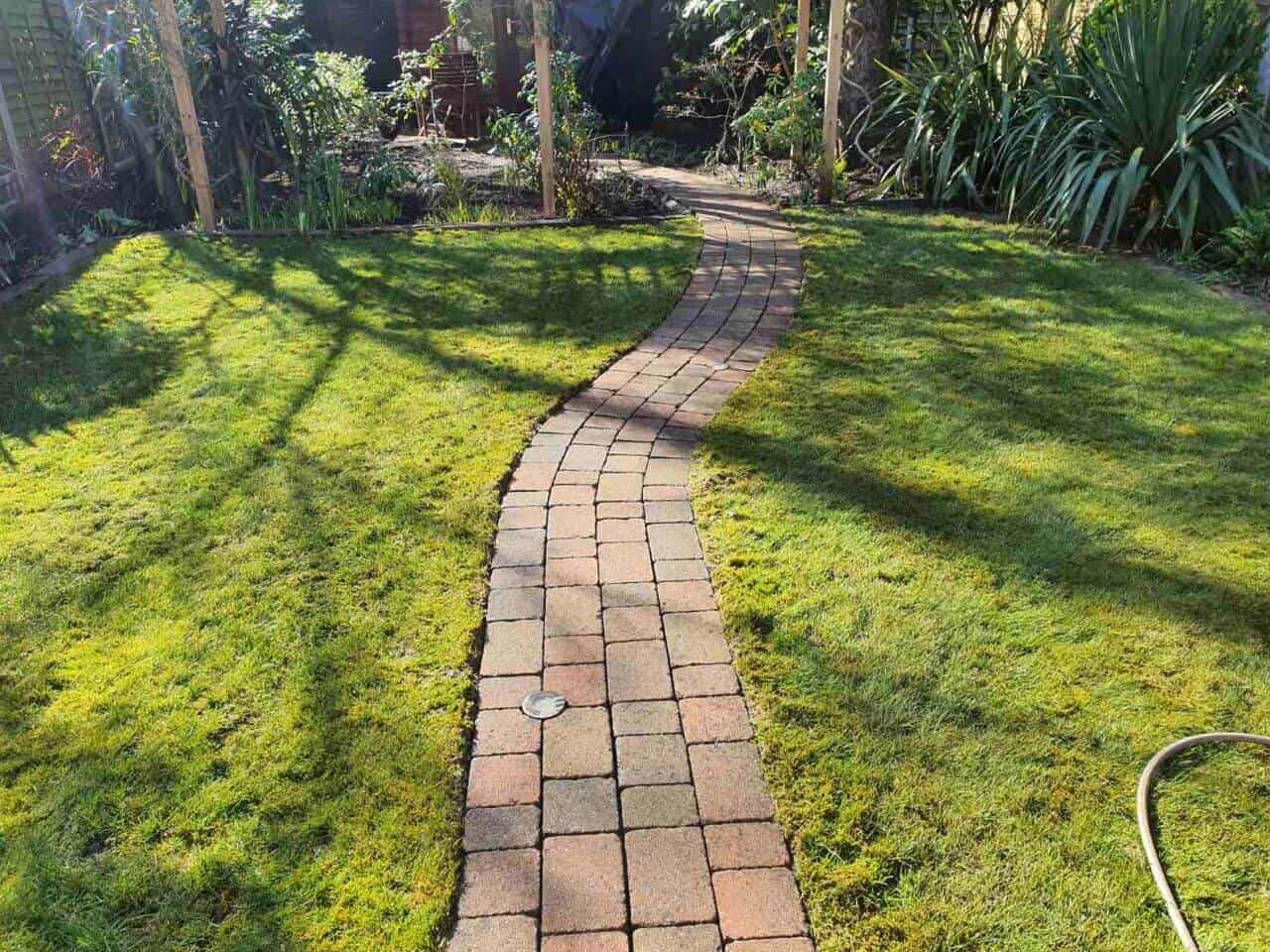
Securing Better Prices and Scheduling
When the summer rush dies down, lawn care companies often have more availability. This means you might be able to get an appointment sooner and potentially at a better rate.
Suppliers might also hold off on price increases until the new year, so getting work done in the autumn can mean sticking to current material costs. It’s a bit like getting a head start on things before the busy spring season kicks off.
Enhancing Curb Appeal and Property Value
Getting your lawn looking its best in the autumn means it’ll be in prime condition by the time spring rolls around. A tidy garden can really make a difference to how your house looks from the street, and it might even add a bit to its value. Plus, a well-kept outdoor space can make your property more attractive to potential buyers or even renters.
Protecting Your Garden from Winter Elements
Autumn is the perfect time to get your garden ready for the colder months. Tasks like adding a layer of mulch or tidying up borders can help protect your plants and soil from frost and heavy rain. It’s about giving your lawn the best chance to recover and thrive, setting it up for a strong start next year.
Fall is a great time to tackle lawn renovation for several practical reasons. The weather is usually more forgiving than the scorching heat of summer or the damp chill of winter, making it more pleasant for outdoor work.
Plus, the soil is still warm enough for grass seed to germinate well, while the cooler air helps new growth establish without drying out too quickly. It’s a sweet spot for getting those improvements done.
- More flexible scheduling: Tradespeople are often less busy in autumn.
- Potential cost savings: Secure current prices before potential new year increases.
- Improved aesthetics: Boost your home's look for the coming seasons.
- Winter preparation: Protect your lawn and garden from harsh weather.
- Better growth conditions: Warm soil and cool air are ideal for new grass.
Post-Renovation Lawn Care
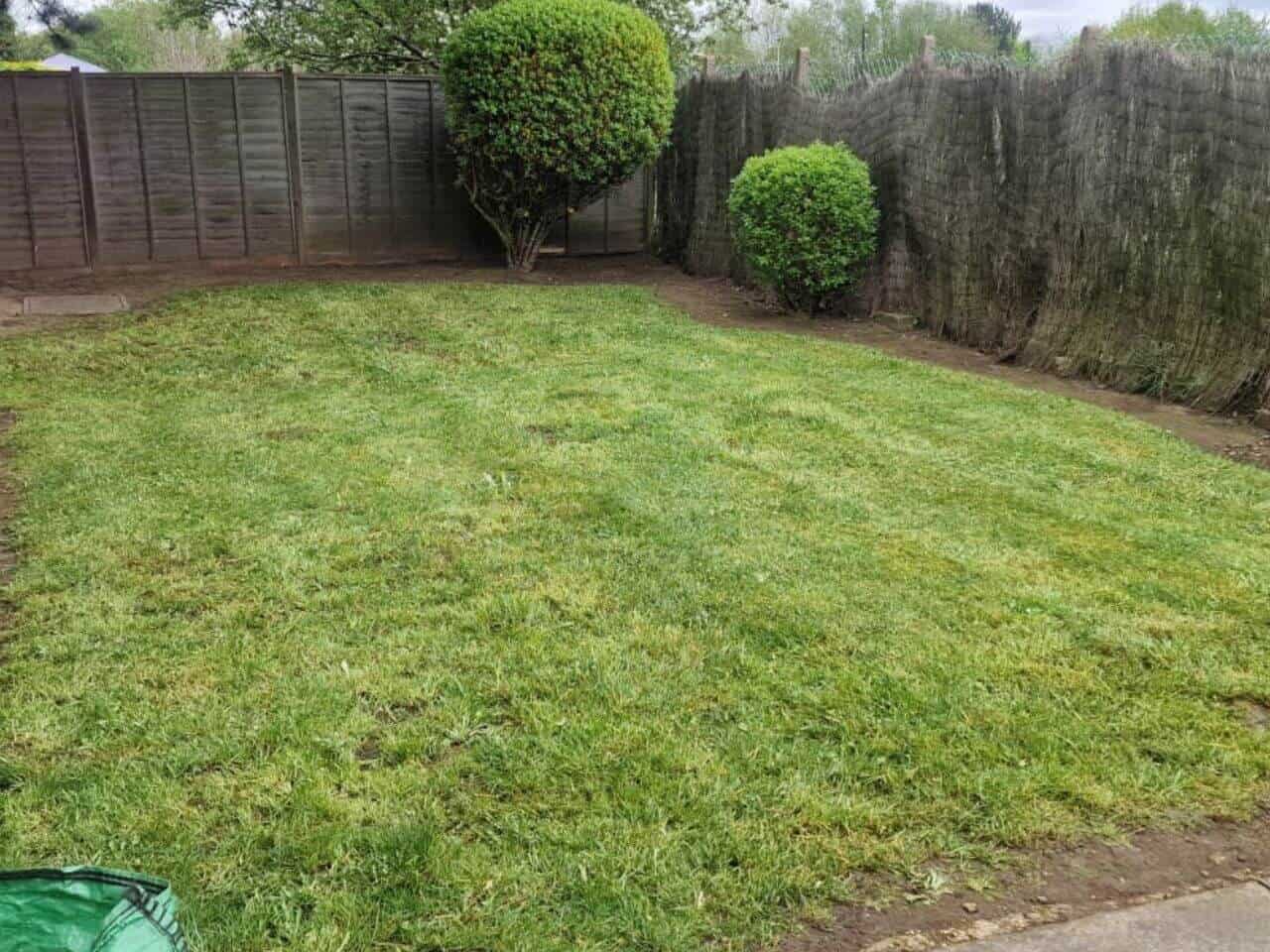
So, you've put in the work, cleared out the weeds, prepped the soil, and sown that new seed. Brilliant! But the job isn't quite done yet. The real magic happens in the weeks and months following the renovation. Getting this bit right is key to seeing that lush, green carpet you've been dreaming of.
Proper Irrigation Techniques
Keeping that new seed moist is absolutely vital. For the first week or two, or until you see good germination, water lightly but frequently. Think a gentle sprinkle a couple of times a day, especially if the weather is warm. The goal is to keep the top layer of soil damp, not waterlogged.
Once the grass is established, you can gradually reduce the frequency and increase the duration of each watering. Aim for about 2.5cm (1 inch) of water per week in total, delivered in one or two sessions. This encourages deeper root growth, making your lawn more resilient. Overwatering can wash away the seeds or lead to fungal issues, so it's a bit of a balancing act.
Strategic Fertilisation for Growth
After about 4-6 weeks, your new lawn will likely benefit from a feed. This isn't about a massive boost, but rather providing the nutrients needed for strong, healthy growth. Look for a fertiliser that's suitable for new lawns, often with a balanced NPK ratio. Applying it evenly is important; a spreader can tremendously help.
Too much fertiliser can scorch the young grass, so always follow the product instructions carefully. This feeding helps thicken the turf and prepare it for the seasons ahead. It's all about giving those young shoots the best start possible.
Timing Your First Mowing
Resist the urge to get the mower out too soon! You should wait until the new grass has grown to about 7-8cm (around 3 inches) tall. When you do mow for the first time, don't cut too much off. Take off no more than a third of the grass blade's height.
Using a mower with a sharp blade is also a good idea to prevent tearing the delicate new grass. You might even want to raise your mower's cutting height for the first few mows. This gentle approach helps the grass establish a strong root system and prevents it from becoming stressed. It’s a patient game, but worth it in the end.
The period after sowing new seed is a critical phase. Consistent, appropriate watering and careful mowing are the cornerstones of transforming a bare patch into a thriving lawn. Don't rush the process; allow the grass to establish itself properly before introducing more intensive care routines.
For advice on maintaining your garden throughout the year, consider looking into North London garden preparation services.
After your building work is done, it's time to give your lawn some extra love. Making sure your grass gets the right food and water will help it grow back strong and look its best.
Sounds like a lot to take on? That's where City Gardeners come in. Whether your lawn needs a full rejuvenation or just some expert TLC to get it thriving again, our team is ready to help. We take the hard work off your hands so you can simply enjoy the results.
Get in touch and ask us for a free estimate on how we can help your lawn recover and look its very best — without you lifting a finger.
Wrapping Up Your Lawn Renovation Plans
So, when’s the best time to give your Mill Hill lawn a bit of a makeover? While spring might seem like the obvious choice for getting things green again, don't discount autumn. The cooler weather makes it easier for new grass to take root, and you often find better deals from local services.
Plus, getting the work done in the autumn means your lawn will be looking its best come springtime, ready for all those garden parties or just enjoying the sunshine. Whether you're tackling moss, weeds, or just thin patches, planning ahead is key.
Give the local experts a shout – they know the Mill Hill soil and weather inside out and can help you get that lovely green space you've been dreaming of.
Frequently Asked Questions
When is the best time to start fixing up my lawn in Mill Hill?
The best times to give your lawn a makeover are usually spring and autumn. Spring is great for getting new grass to grow, while autumn helps prepare it for winter and makes it look good for the next year. Avoid doing major work in the middle of summer when it's really hot, as new grass can get stressed.
What are the signs that my lawn needs some serious attention?
Look out for lots of moss or weeds taking over, thin, patchy grass, or bare spots. If your soil feels too acidic, that can also be a problem for healthy grass. These are all clues that your lawn could use a renovation.
How do I get rid of moss and weeds?
To tackle moss, you can use special products that kill it, then rake it out. For weeds, there are sprays that can help, especially ones that work even when it's a bit cooler. It's important to get rid of them before you try to grow new grass.
What's involved in preparing the soil for new grass?
After getting rid of moss and weeds, you'll want to loosen up the soil and add some good stuff like compost. If there are dips or holes, fill them with topsoil to make the ground nice and level. This gives the new grass seeds a great place to grow.
How should I water my lawn after planting new seeds?
It's super important to keep the soil moist after you sow seeds. Water it well at first, then give it light sprinkles every day for about a week or two, or until you see the grass starting to sprout. Aim for about an inch of water each week.
Why is autumn a good time for lawn improvements?
Doing lawn work in the autumn can be cheaper because gardeners are less busy. Also, getting your lawn looking great in the fall means it will be ready to impress by spring, which can make your home look better and even increase its value. Plus, it helps protect your garden from winter weather.
