
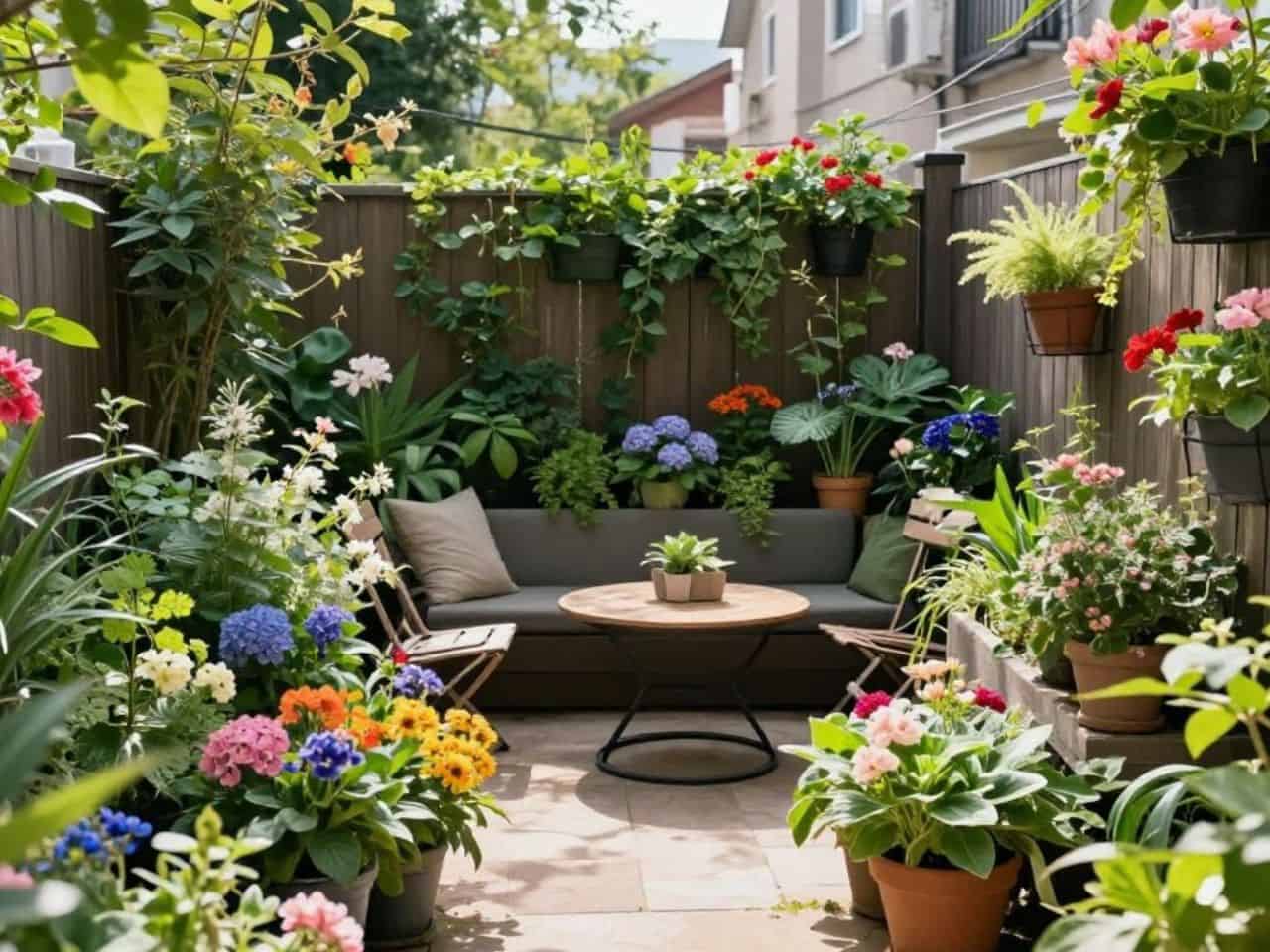
Living in a city like North London often means your garden space is a bit on the snug side. But honestly, just because your outdoor area isn't huge doesn't mean it can't be a fantastic place to relax and entertain. We've gathered some brilliant small garden ideas North London residents can use to make the most of every inch. Forget feeling cramped; it's all about clever design and making your little patch feel bigger and better.
Key Takeaways
- To get the most out of a small garden, figure out what's most important to you. Do you want a place to eat outside, grow herbs, or just a nice spot to sit? Prioritising helps make sure your limited space works for you.
- Think about how you'll use the space and plan a layout that makes sense. Good flow is key, so you can move around easily without bumping into things. Creating separate zones, such as a seating area or a plant area, can make the space feel more organised.
- Don't forget about going up! Vertical gardens, hanging baskets, or even a pergola can add a whole new dimension to your garden without taking up much floor space. It's a great way to add greenery and interest.
- Smart furniture is a game-changer for small gardens. Look for pieces that do more than one job, like a bench with storage or a fire pit that doubles as a table. This saves space and adds functionality.
- Clever tricks can make your garden feel much larger than it is. Using clean lines, strategic planting, and good lighting can create an illusion of more space. Consider how colours and materials affect the feel of the area as well.
Maximising Your North London Garden Space
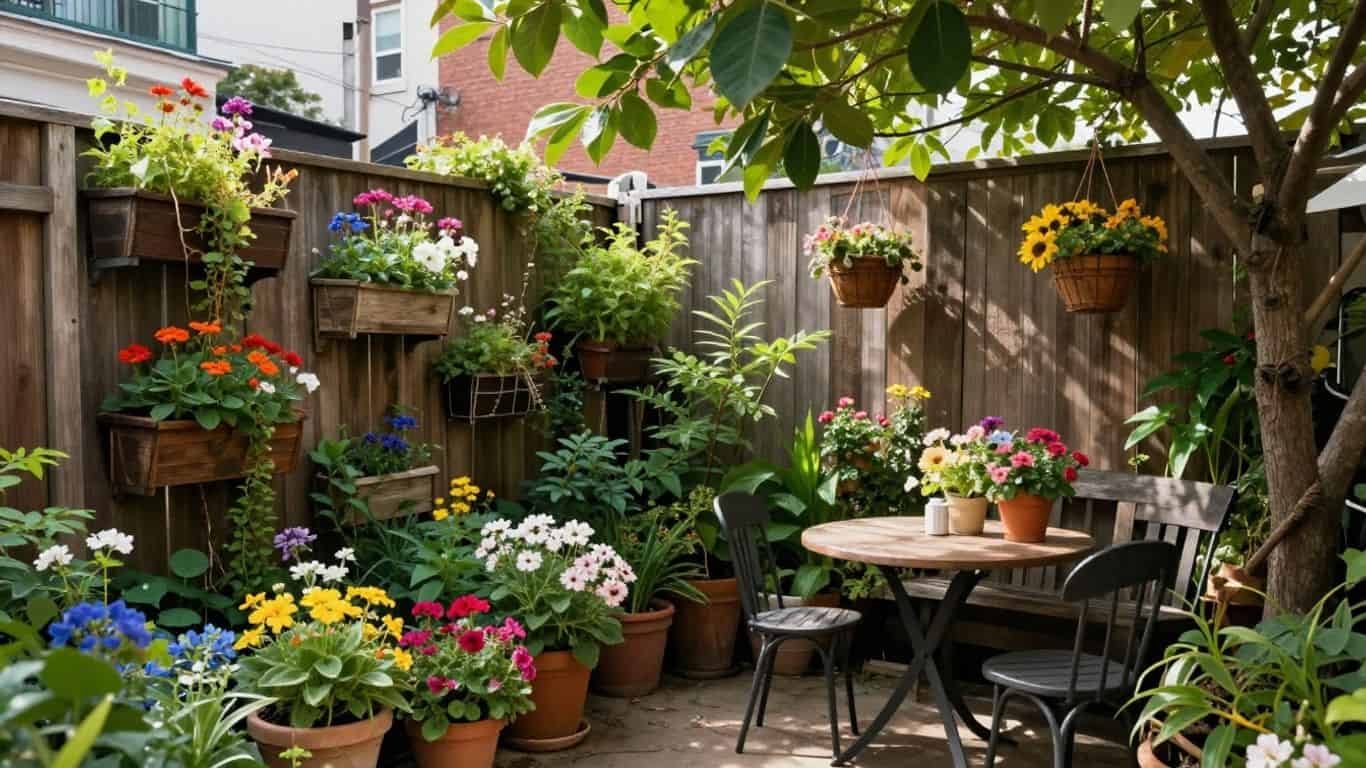
Even the most compact North London garden has the potential to be a real showstopper. It's all about being clever with what you've got. Forget sprawling lawns; think smart, multi-functional areas that work harder for you. The key is to make every inch count, transforming a small patch into a delightful outdoor retreat.
Prioritise Your Outdoor Aspirations
Before you even think about plants or furniture, take a moment to really consider what you want from your garden. Is it a quiet spot for a morning cuppa, a place to entertain friends, or a safe play area for the kids? Jotting down your must-haves helps focus your design. Think about how you'll actually use the space. Do you need a dining area, a lounging spot, or perhaps a bit of both? Prioritising helps ensure your garden serves your lifestyle.
- List your top 3 garden uses.
- Consider the flow of traffic.
- Think about privacy needs.
Making a list of your priorities is the first step to a garden that truly works for you. It stops you from getting sidetracked by trends and keeps the focus on what matters most for your daily life.
Crafting a Functional Layout
Once you know your priorities, it's time to think about layout. For small gardens, playing with angles can make a big difference. Instead of a straight path or patio, try laying them diagonally. This simple trick can trick the eye into perceiving more depth, making the space feel much larger than it is. Think about how you move through the garden – you don't want to be bumping into things.
Feature | Standard placement | Diagonal placement | Perceived effect |
|---|---|---|---|
Patio | Straight across | 45-degree angle | Increased depth |
Planting beds | Parallel to fence | Angled | More spacious |
Main pathway | Direct | Zig-zag | Longer journey |
Blending Indoor and Outdoor Living
Blurring the lines between your home and garden can make your outdoor space feel like a natural extension of your living area. French doors or large bi-fold doors are fantastic for this, but even big windows can help. Consider extending your indoor flooring material to the patio. This visual continuity makes the transition feel smoother and the overall space larger. Container plants placed just outside your doors can also create a welcoming, integrated feel.
Creative Planting Strategies for Compact Gardens
When you've got a smaller garden, it's easy to think you're limited in what you can grow. But honestly, that's not the case at all. It's more about making clever choices and arranging them effectively. The goal is to make your garden feel lush and full without looking cluttered or cramped. Thinking vertically and choosing plants that offer more than just a pretty flower is key.
Embrace Vertical Gardening
This is a game-changer for tiny spaces. Instead of spreading outwards, you go upwards. Think about climbing plants on trellises, wall-mounted planters, or even a living wall. It adds significant greenery and visual interest without occupying valuable ground space. You can grow anything from herbs and strawberries to beautiful flowering vines. It really makes the most of every available inch.
Selecting Plants to Complement Your Space
It’s not just about cramming in as many plants as possible. You need to pick ones that work with your garden's size and style. For smaller gardens, it's often best to avoid plants that grow really wide or aggressively spread. Instead, look for varieties that are naturally more compact, or plants that have a more upright, columnar shape. This way, you get height and structure without overwhelming the space.
Consider plants that offer interest across different seasons – maybe striking foliage, colourful bark, or flowers that bloom at different times. This ensures your garden looks good year-round. For example, a well-chosen compact shrub can provide structure and colour for months on end.
Building a Strong Foliage Framework
Before you even think about adding lots of colourful flowers, get your foliage sorted. A strong framework of plants with interesting leaves – think different shapes, textures, and colours – provides a solid base. This makes the garden look more established and visually appealing, even when flowers aren't in bloom. Layering flowering plants on top of this foliage structure adds depth and extra pops of colour. It’s like building the walls of a house before you decorate.
Here’s a quick way to think about it:
- Structure: Choose plants with good form and leaf interest.
- Colour: Layer in plants with flowers or colourful leaves.
- Texture: Mix smooth leaves with rough or feathery ones.
- Height: Use a mix of low-growing, medium, and taller plants to create layers.
Don't be afraid to use plants that have a strong visual presence. In a small garden, a single, well-placed specimen plant can be more impactful than a mass of smaller, less distinct ones. It draws the eye and creates a focal point.
Designing Distinct Zones in Small Gardens
Even the tiniest garden can feel surprisingly spacious and functional if you break it down into different areas. Think of it like creating little outdoor rooms, each with its own purpose. This approach helps make the most of every square inch, rather than having a single, undifferentiated space.
Creating Outdoor Rooms
This is all about giving different parts of your garden a specific job. You might have a spot for dining al fresco, a cosy corner for reading, or even a small area for growing herbs. You don't need walls or fences to define these spaces; simple changes in paving, a few strategically placed pots, or even an outdoor rug can signal a shift from one zone to another. It’s about creating distinct experiences within your garden.
For instance, a small patio area could be your 'dining room', while a gravel patch with a bench becomes your 'quiet contemplation zone'.
Utilising Multi-Use Spaces
In small gardens, it’s smart to make things work harder. A bench might double as storage, or a small table could be used for both eating and potting plants. Consider furniture that can be easily moved or folded away when not in use. This flexibility allows you to adapt your space to your needs. For example, a small, portable barbecue can be wheeled out for a weekend cook-up and then tucked away, freeing up space for other activities.
Defining Areas with Hardscaping
Hardscaping elements like paths, patios, and low walls are brilliant for separating zones. A change in paving material, like moving from gravel to a small paved area, clearly marks a transition. Even a simple low border of bricks or stones can visually divide a planting bed from a lawn or seating area. This structured approach brings a sense of order and purpose to the garden.
Here's a quick look at how you might divide a small garden:
- Zone 1: Entrance/Welcome Area: Perhaps a small paved spot with a welcoming pot plant.
- Zone 2: Seating/Relaxation Area: A small bench or a couple of chairs, maybe with a small side table.
- Zone 3: Planting Focus: A raised bed or a few containers with interesting plants.
When planning your zones, always think about how you'll move between them. Clear, unobstructed pathways are key, even in a small space. You don't want to be constantly bumping into things or feeling hemmed in.
Smart Furniture and Feature Ideas
When you're working with a compact garden, every piece of furniture and every feature needs to earn its keep. It's all about making clever choices that maximise usability and visual appeal without overwhelming the space. Think about items that can do more than one job, or features that add a bit of wow factor without taking up too much room.
Choosing Furniture with Dual Purpose
This is where you can really get creative. Instead of standard table and chairs, look for pieces that offer additional functionality. Folding bistro sets are ideal for small patios; they can be tucked away when not in use, freeing up valuable floor space. Similarly, a sturdy, low coffee table can double as extra seating with the addition of a cushion – perfect for when you have a few more people over than usual.
Built-in seating, perhaps around a raised planter or along a boundary wall, is another excellent way to maximise seating capacity without the footprint of individual chairs. Even a retaining wall, if built to the right height, can become a comfortable bench with some added cushions.
- Folding bistro tables and chairs: Easy to store, lightweight.
- Ottomans/Stools: Use a padded low table as extra seating.
- Bench seating: More efficient than individual chairs at a table.
- Built-in seating: Maximises capacity by using perimeter space.
Consider furniture that can also hide things away. A storage bench or a coffee table with a lift-up lid can be a lifesaver for stashing away gardening tools, cushions, or kids' toys, helping to keep your small space looking tidy.
For entertaining, extendable tables are a godsend, allowing you to adapt to different numbers of guests. You can find stylish rattan furniture ideas for small balconies that are both practical and visually appealing.
Incorporating Fire Features
A fire feature can be a fantastic focal point, adding warmth and ambience. For small gardens, a gas fire table is often a better choice than a traditional wood-burning one. Many gas models feature a solid rim that doubles as a coffee table when the fire isn't lit, making them truly multifunctional.
They also tend to be more compact and easier to manage than their wood-burning counterparts. A well-chosen fire feature can become the heart of your outdoor living area.
Adding Water Features
Water features bring a sense of calm and movement to any garden, and there are plenty of options for small spaces. You don't need a large pond or elaborate waterfall. A simple recirculating wall fountain, a bubbling tabletop pot, or even a small, modern water bowl can add that soothing sound and visual interest.
These compact water features are relatively easy to install and maintain, and they can make a big difference to the atmosphere of your garden, especially during warmer months. They can also be a great way to add a pop of colour or a unique design element.
When selecting furniture and features for a small garden, always ask yourself: 'Can this do more than one thing?' Multi-functional items are your best friend, helping you to get the most out of every square inch. Think about how you use your space and choose items that support those activities, whether it's dining, relaxing, or entertaining. Smart storage solutions are also key to preventing clutter, which can make a small space feel even smaller.
Enhancing Perceived Space in Your Garden
Sometimes, the trick to making a small garden feel bigger isn't about actually adding more space, but about making it look like there's more space. It’s all about playing with how we see things. Think of it like a magician’s trick, but for your patio!
Employing Visual Tricks
One of the simplest ways to fool the eye is by using diagonal lines. Instead of having everything square and straight, try angling your patio, paths, or even planting beds. This breaks up the usual rectangular view and makes the garden appear to extend further than it actually does. It’s a bit like looking at a road that disappears into the distance – it just keeps going, right?
Another clever trick is to borrow views from outside your garden. If there’s a lovely tree or an interesting building visible from your space, frame it. Make it a feature. This draws the eye outward, making your garden feel like part of a larger landscape.
- Diagonal layouts: Angle paths and beds to create a sense of depth.
- Borrowed views: Frame attractive external features to extend the perceived space.
- Colour palette simplicity: Stick to two or three main colours, plus green, to avoid a cluttered look.
Don't underestimate the power of a simple colour scheme. Too many bright, clashing colours can make a small space feel busy and cramped. A more restrained palette can actually make it feel more open and calm.
The Power of Clean Lines
Messy edges and cluttered borders can make a garden feel smaller. Keeping things tidy with clear, defined edges between your lawn, paths, and flowerbeds helps to create a sense of order. This organisation makes the space feel more purposeful and, surprisingly, larger. Think of it like a well-organised room versus a messy one – the organised one always feels bigger.
Consider the materials you use, too. Mixing too many different textures or colours in your hardscaping can be visually jarring. A more consistent approach, perhaps using a couple of complementary materials, can create a smoother flow and make the space feel more unified and expansive.
Strategic Use of Lighting
Lighting is your best friend when it comes to making a small garden feel more magical and, yes, bigger. As dusk falls, strategically placed lights can create drama and mystery. Uplighting plants or highlighting pathways can draw the eye and make the garden seem to extend beyond what you can see in daylight. It also means you can enjoy your garden for longer into the evening, effectively giving you more usable space.
- Path lighting: Illuminate walkways to guide the eye and create depth.
- Uplighting: Shine lights upwards onto trees or large plants to create dramatic shadows and a sense of height.
- Feature lighting: Highlight specific elements, such as a water feature or sculpture, to draw attention and add interest.
Using lighting effectively can transform your garden from a small patch of land into an inviting outdoor room that feels much larger than its actual dimensions.
Sustainable and Low-Maintenance Garden Design

Exploring Xeriscaping and Native Plants
When you've got a smaller garden, the last thing you want is a space that demands constant attention. Thinking about sustainability from the get-go is a smart move. This often means selecting plants that don't need much watering, especially if you're in an area that doesn't get much rain.
Xeriscaping is a big word, but it basically means designing your garden to need very little water. This can involve using gravel, stones, and drought-tolerant plants. Native plants are brilliant for this. They're already adapted to the local climate, so they'll generally be tougher and need less fuss. Plus, they're great for local wildlife, which is always a bonus.
Reducing Lawn Areas
Let's be honest, a big lawn in a small garden can feel like a waste of space. It often needs regular mowing, feeding, and watering. If you're aiming for a low-maintenance garden, reducing the size of your lawn, or even getting rid of it altogether, is a good idea.
You could replace it with a patio, a gravel area, or some raised beds. This frees up space for other priorities and reduces regular garden maintenance. Think about how you actually use your garden. Do you need a big patch of grass, or would a seating area or some planting beds be more useful?
Choosing Durable Materials
When you're selecting materials for paths, patios, or raised beds, consider how long they'll last and how much maintenance they'll require. Wood can look lovely, but it may require annual or biannual treatment to prevent rot or discolouration. Stone or good-quality composite materials can be more of an upfront cost, but they often last much longer with minimal maintenance. It's worth investing a bit more in materials that will stand the test of time and look good with little effort.
Making conscious choices about your garden's design and the materials you use can lead to a space that's not only beautiful but also kind to the environment and easy to look after. It's about working with nature, not against it, to create a garden you can actually enjoy without it feeling like a chore.
Creating a garden that looks great without needing constant attention is totally achievable. Think about plants that don't need much watering or fussy pruning, and layouts that are simple to keep tidy. A well-planned garden can be a peaceful escape that's easy to manage.
Ready to transform your outdoor space into a low-maintenance green paradise? Contact us to discover how we can help you achieve your dream garden.
Your Small Space, Your Big Garden
So, there you have it. Even with a tiny patch of outside space, you can create something really special. It’s all about being a bit clever with what you’ve got, thinking vertically, and maybe adding a splash of colour here and there.
Don’t let the size put you off; with a few smart ideas, your small garden can become your favourite spot to relax or entertain. Give some of these tips a go, and see what magic you can make happen.
Frequently Asked Questions
How can I make my small garden feel bigger?
You can make a small garden feel larger by using clever visual tricks. Consider keeping lines clean and simple, using light colours, and ensuring your outdoor space flows well with your indoor living area. Sometimes, just removing a railing can open up the view and make a big difference.
What's the best way to use vertical space in a small garden?
Going vertical is a fantastic way to get more out of a small garden. You can install a living wall, use hanging baskets, or even grow climbing plants up a trellis or pergola. This adds greenery without taking up precious floor space, making the garden feel more lush and interesting.
How do I choose plants for a compact garden?
When picking plants for a small garden, it's best to choose ones that suit the size of your space. Consider plants with interesting leaves or textures that offer colour throughout the year. Columnar trees or shrubs are great because they grow tall rather than wide. Don't be afraid to have one standout plant as a focal point.
Can I create different areas or 'rooms' in a small garden?
Absolutely! You can create distinct zones even in a tiny garden. Use elements such as outdoor rugs, strategically placed pots, or a change in paving to delineate different areas, such as a dining spot or a cosy seating corner. This makes the space feel more organised and functional.
What kind of furniture works best for small outdoor spaces?
For small gardens, choose furniture that serves multiple purposes. Think about foldable tables and chairs, or benches with built-in storage. A coffee table that doubles as a fire pit is a great idea. Sleek, slim designs work better than bulky items.
Are there any low-maintenance ideas for small gardens?
Yes, definitely! To keep your garden easy to care for, consider xeriscaping (using plants that need little water) and choosing native plants that are suited to your local climate. Reducing the size of your lawn or replacing it with something like artificial turf or more planting beds can also save a lot of work.
