
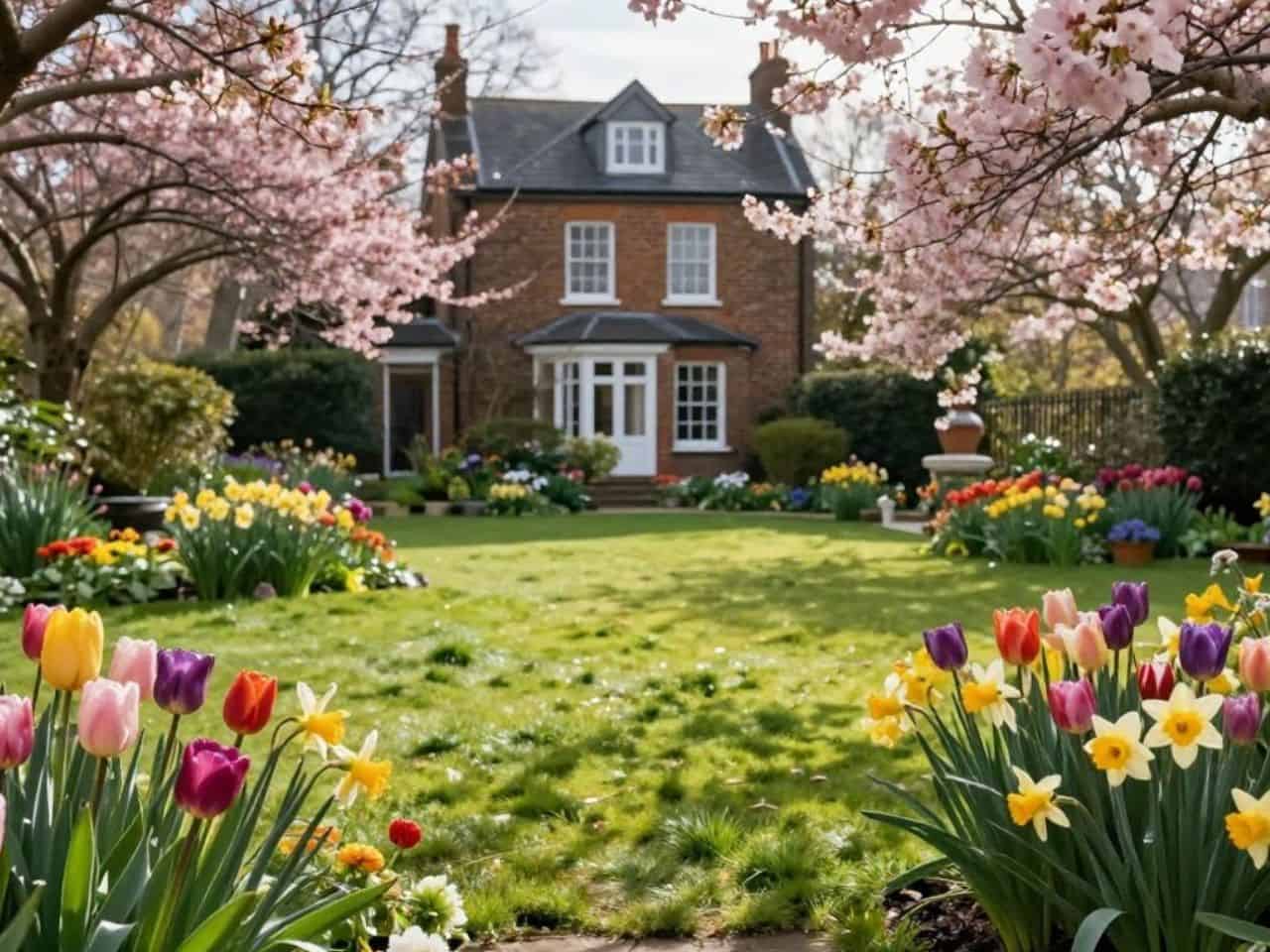
So, spring is finally here, and if you're like me, you're probably itching to get outside and give your North London garden a bit of TLC. It's that time of year when everything starts to wake up, and it's the perfect moment to get organised. This spring garden checklist North London guide is here to help you get your outdoor space looking its absolute best, from tidying up beds to planning for those summer blooms. Let's get those gardens blooming!
Key Takeaways
- Get your garden beds ready by checking the soil and clearing out old debris. Adding compost will give your plants a good start.
- Start planting hardy annuals and summer bedding now, and don't forget to plant spring bulbs for later colour.
- Keep an eye on your lawn; tackle any moss or weeds and start mowing regularly. Consider overseeding if it looks a bit thin.
- Be aware of common garden pests and consider how to encourage beneficial wildlife. Protect young plants from hungry visitors.
Check fences and gates for any needed repairs, and give your planters a good clean. Consider adding outdoor lighting or seating to enhance enjoyment.
Prepare Your North London Garden Beds For Spring
Right then, spring is finally peeking around the corner, and it’s time to get those garden beds ready for action. North London soil can be a bit of a mixed bag, so the first thing you’ll want to do is get a feel for what you’re working with. Is it heavy clay that holds water like a sponge, or is it lighter and drains away quickly? Knowing this helps you figure out what your plants will need.
Assess Soil Health And Type
Give your soil a good look over. Squeeze a handful – if it forms a tight ball that doesn't crumble, it's likely clay. If it falls apart easily, it's probably sandy. A good middle ground is loam, which holds its shape a bit but still breaks apart. You can also get a soil testing kit from your local garden centre to check pH levels and nutrient content. This will give you a clearer picture of what needs to be added.
Clear Away Debris And Overwintered Growth
Before you start adding anything new, you've got to clear out the old. Get rid of any dead leaves, fallen branches, and any plants that didn't make it through the winter. It’s also a good time to cut back any perennials that you left standing for winter interest. This just creates space for new growth and prevents diseases from lingering.
Incorporate Compost And Nutrients
This is where you really give your beds a boost. Adding a good layer of well-rotted compost is probably the single best thing you can do for your soil. It improves drainage in clay soils and helps sandy soils hold onto moisture and nutrients.
You might also want to add some general-purpose fertiliser, especially if your soil test showed it was lacking. Aim to fork it all in gently, mixing it with the top few inches of soil. This is a great time to get your beds prepped for the growing season ahead.
Here’s a quick rundown of what to add:
- Compost: Spread a 5-10cm layer over the surface.
- Well-rotted manure: If you can get your hands on it, it's a gold standard for improving soil structure.
- Specific soil improvers: Depending on your soil test results, you may need items such as grit for drainage or lime to raise pH.
Getting your soil in good shape now means less work and healthier plants later on. It’s the foundation for everything else you’ll do in the garden this year.
Spring Planting Essentials For North London Gardens

Right then, spring is finally here, and it's time to get those hands dirty! After all that winter hibernation, your North London garden is probably itching for some new life. This is the prime time to introduce colour and structure, ensuring your outdoor space looks its best throughout the warmer months.
Sow Hardy Annuals and Summer Bedding
Hardy annuals are your best friend for quick colour. You can sow these directly into the soil now, and they'll be blooming before you know it. Think cheerful sunflowers, cosmos, and nigella. Summer bedding plants, such as petunias and geraniums, are also effective for filling gaps and adding vibrancy to pots and borders. Don't be afraid to mix and match for a really lively display.
- Hardy annuals: Sow directly into prepared soil. They're durable and can handle some unpredictable spring weather.
- Summer bedding: Plant these out after the last frost. They're perfect for containers and hanging baskets if you're short on space.
- Timing: Aim to sow hardy annuals from March onwards. Bedding plants can go out from late April or early May, depending on the forecast.
Plant Spring Bulbs for Later Blooms
While you might think spring bulbs are all about early spring, there are varieties that bloom later in the season, or you can plant bulbs now for a spectacular show next year. Consider planting things like lilies or dahlias now. These will give you gorgeous blooms through the summer and into autumn. It’s a bit of a waiting game, but so worth it for the payoff.
Introduce Perennials and Shrubs
Perennials are the backbone of a garden, coming back year after year. Spring is an ideal time to plant them, giving them the full growing season to establish. When choosing, think about what will thrive in your specific North London microclimate.
Some plants are particularly resilient to changing weather patterns, which is always a bonus. You can also introduce shrubs now to add structure and year-round interest. Consider varieties that offer seasonal flowers or attractive foliage.
When planting new perennials or shrubs, it's a good idea to loosen the root ball gently. If the roots are tightly wound, tease them apart a little. This encourages them to spread out into the new soil. Add a bit of compost to the planting hole, pop your plant in, firm the soil around it, and then give it a good watering. Make sure you water the soil, not the leaves, to help prevent disease.
- Perennials: Great for long-term colour and structure. Many can be planted now.
- Shrubs: Add height and interest. Choose varieties suited to your garden's conditions.
- Planting tip: Water new plants regularly, especially during dry spells, until they're well established. This might mean watering throughout the summer if it's a dry one. Remember, good soil preparation makes a big difference to how well your new plants settle in. Adding a layer of compost annually is a great habit to get into.
Lawn Care And Maintenance In Spring
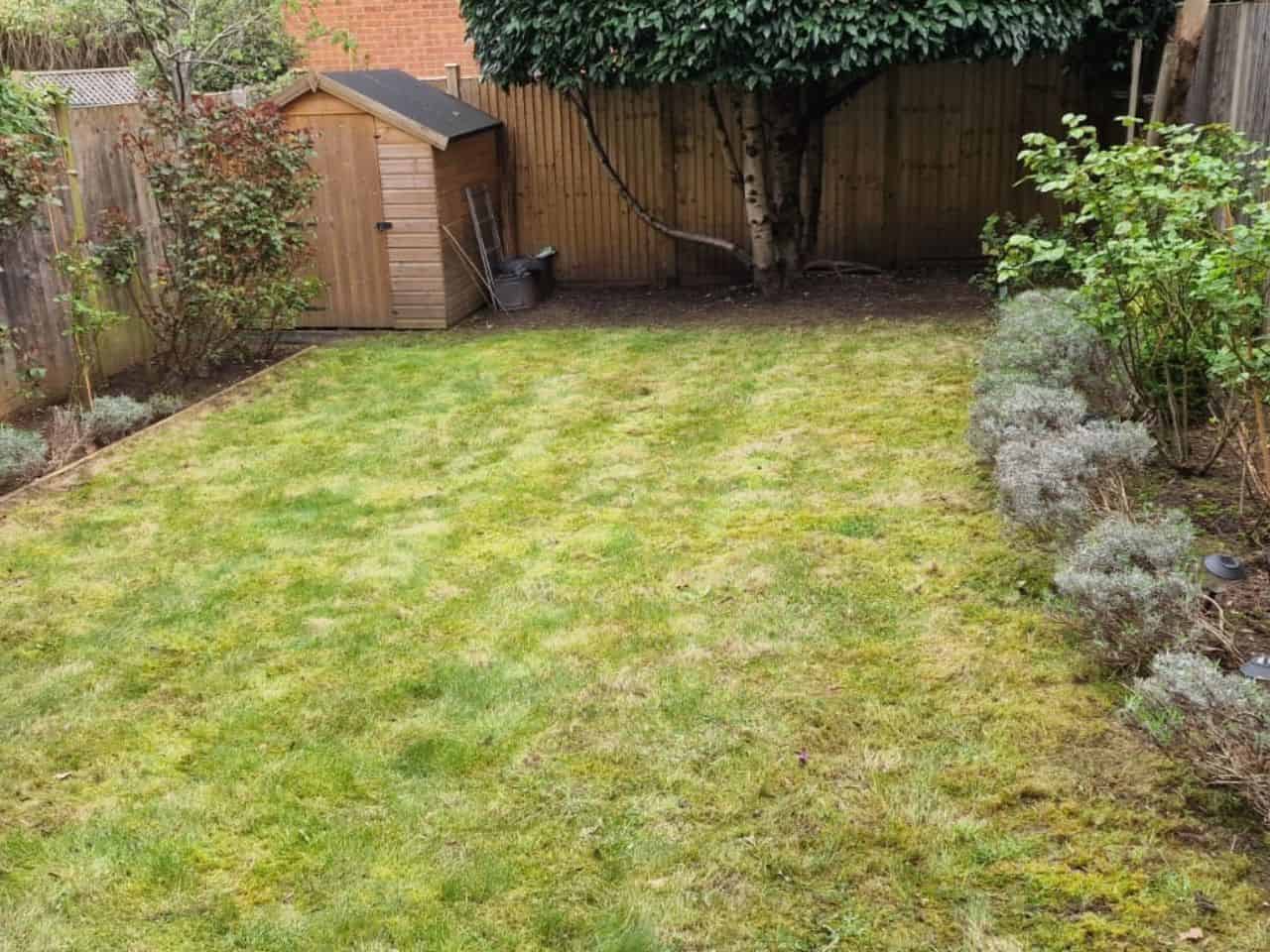
Right then, let's talk about the lawn. After a long winter, it's probably looking a bit sorry for itself, maybe a bit patchy or with some unwelcome guests like moss and weeds. Spring is the prime time to get it back into shape.
Address Moss And Weeds
Moss loves damp, shady conditions, and our North London gardens can certainly provide that. You'll often see it creeping in where the grass is thin. For moss, a good approach is to rake it out vigorously once the soil begins to dry slightly. You can also use moss killers, but often improving the grass's health is the best long-term solution.
As for weeds, well, they're just opportunistic, aren't they? Get out there with a trowel or a dedicated weed puller for the bigger ones. For smaller, more widespread weeds, a good hoeing session when the soil is dry will do wonders. Don't let them get established; the earlier you tackle them, the easier they are to manage.
Begin Regular Mowing
Once the grass starts growing again, usually from March onwards, it's time to get the mower out. Don't go mad and cut it too short straight away. Start with a higher setting and gradually lower it over a few mows. This helps the grass cope with the change.
Aim to mow regularly, but only take off about a third of the grass blade each time. This encourages thicker growth. If you've got a really long patch, it's better to do a couple of cuts over a few days rather than one drastic cut.
Consider Overseeding Sparse Areas
If you've got bare patches or areas where the grass is looking a bit thin, spring is a good time to overseed. You want to do this when the soil is moist, and there's a decent chance of rain, but not so wet that the seeds wash away. Rake the soil lightly to create a bit of a seedbed, scatter your chosen grass seed, and then lightly rake it in.
Keep the area consistently moist until the new grass germinates. You might want to put a few small stakes and some string around the area to stop people from walking on it while it establishes. If you would like to enjoy a fresh, healthy lawn immediately, laying a new lawn is the perfect choice for you.
Getting your lawn back on track in spring sets it up for the whole year. A healthy lawn isn't just about looks; it helps with drainage and provides a good surface for kids and pets. It's worth the effort, honestly.
Tackling Pests And Wildlife In Your Garden
Right then, let's talk about the little critters that might decide your lovely North London garden is their new buffet. It's a bit of a balancing act, isn't it? You want to encourage the good guys, like hedgehogs and birds, but keep the slugs and snails from munching everything you've just planted. It's not always straightforward, especially if you're new to gardening or just want to get things right without too much fuss.
Identify And Manage Common Pests
Slugs and snails are probably the most common culprits in our area, especially after a bit of rain. They can do a surprising amount of damage overnight. Aphids are another nuisance, clustering on new shoots and weakening plants. A good first step is to simply keep an eye out for them.
Early detection makes a huge difference. For slugs and snails, barriers like crushed eggshells or copper tape around vulnerable plants can help. Beer traps are also a classic, if a bit grim, solution. For aphids, a strong jet of water can dislodge them, or you can try a soapy water spray. It's about finding what works for your garden and your tolerance for these little pests.
Encourage Beneficial Wildlife
This is where you can really turn nature to your advantage. Providing a safe haven for wildlife can reduce overall pest levels. Think about leaving a small pile of logs or leaves in a quiet corner for hedgehogs. A bird bath and feeders will attract birds, which are brilliant at eating insects.
Even a small pond can bring in frogs and newts, who are also keen on slugs. It's about creating a mini-ecosystem right here in North London. You might be surprised at how much wildlife you can attract with just a few simple additions. It's a win-win, really – you get a healthier garden and help out the local environment.
Protect Young Plants From Foragers
Young plants and seedlings are particularly vulnerable. Rabbits and squirrels can be a menace, and even birds might peck at tender shoots. Netting can be a lifesaver for vegetable patches. For larger animals, sturdy fencing is your best bet, though that's a bigger job.
Sometimes, just placing cloches or small protective cages around individual plants is enough. If you've got issues with things digging up bulbs, consider burying them a bit deeper or using wire mesh just below the surface. It’s all about giving those new plants a fighting chance to establish themselves before the local wildlife decides they look tasty. Remember, a bit of protection now can save a lot of disappointment later. If you're moving house soon, getting your garden sorted for a deposit return is also a consideration, and a tidy, pest-free garden helps with those garden standards.
Dealing with garden pests and wildlife isn't just about getting rid of the bad guys; it's also about creating a balanced environment where nature helps you out. Think of it as working with your garden, not against it. Small changes can make a big difference over time.
Garden Structures And Features For Spring

Warm days are ahead, and it's time to give your garden's backbone a bit of attention. We're talking about the bits that aren't plants – fences, planters, that sort of thing. It's easy to forget about them when you're busy with bulbs and borders, but they really make a difference to how the whole garden looks and works.
Inspect and Repair Fences and Gates
First, have a thorough look at your fences and gates. Winter can be tough on them, and you don't want a wobbly fence or a gate that won't shut properly. Check for any loose panels, rot, or damage. A quick bit of maintenance now can save you a lot of hassle later.
If you have wooden fences, a fresh coat of preservative or paint can brighten them and protect them for another year. And don't forget the hinges and latches – a bit of oil can work wonders.
Clean and Refresh Planters and Containers
Your pots and containers will be in use soon, so give them a thorough clean. Old soil and debris can harbour pests and diseases. A scrub with some soapy water, maybe a bit of diluted disinfectant if you're worried, should do the trick. If you're planning to use the same pots, consider refreshing them with new compost.
It's also a good time to think about what you want to grow in them this year. Some people find it helpful to plan their container displays now so they're ready when planting season begins. You might even find you need a few new ones to fill those shady garden corners; there are many options available, from sheds to pergolas, that can help you make the most of these often-overlooked spaces.
Consider Outdoor Lighting and Seating
Now, for the bit that makes your garden truly usable. Have you thought about outdoor lighting? Even a few solar lights can make a significant difference on long evenings. It's not just about looks; it makes it safer to move around after dark. And seating – is your garden furniture ready for action? Give it a wipe-down, perhaps a jet clean, and check for any damage. Consider adding new cushions for comfort.
Making your outdoor space inviting means you'll want to spend more time in it, whether that's for a quiet cuppa or entertaining friends. It's all about creating an outdoor room that feels like an extension of your home.
Seasonal Tasks For A Thriving North London Garden
Perhaps it's time to get stuck into those jobs that really make a difference to how your garden looks and performs over the coming months. It’s not just about planting new things, though that’s a big part of it. We’re talking about the ongoing care that keeps everything healthy and looking its best.
Mulching Around Plants
This is one of those jobs that sounds a bit basic, but honestly, it’s a game-changer. Spreading a layer of mulch, such as compost or bark chips, around the base of your plants does a few really important things. Firstly, it helps keep the soil moist, which is a lifesaver as the weather warms up.
It also suppresses weeds, so you'll have less work later. And, it helps regulate soil temperature, protecting those delicate roots from sudden frosts or scorching sun. Aim for a layer about 5-7cm deep, but keep it slightly away from your plants' stems to avoid rot.
Weeding And Hoeing
Let's be honest, nobody really enjoys weeding, but it’s a necessary evil if you want a tidy garden. The key is to tackle them early and often. As soon as you see those little green invaders popping up, get them out. A hoe is your best friend here; a quick scrape across the surface on a dry day can clear a surprising number of small weeds without much effort.
For tougher ones, you might need to get your hands dirty and pull them out by the root. Regular weeding prevents them from getting established and stealing precious water and nutrients from your prized plants. It’s also a good idea to prepare your garden beds properly before planting, as this can reduce future weed problems.
Watering New Plantings
Once you've got new plants in the ground, or even just established ones that are starting to grow vigorously, they'll need a good drink. Especially in the early stages, new plants can struggle to establish their roots, so consistent watering is vital. Don't just give them a quick sprinkle; water deeply at the base of the plant.
This encourages the roots to grow downwards, making the plant stronger and more resilient. Check the soil moisture regularly – stick your finger in about an inch or two. If it feels dry, it's time to water. Container plants, in particular, can dry out very quickly, so keep a close eye on them.
It’s easy to get caught up in the excitement of planting new flowers and shrubs, but don't forget the ongoing care. A little bit of regular attention now will pay dividends later in the season, leading to a much more vibrant and healthy garden space. Think of it as an investment in future blooms and foliage.
Keeping your North London garden looking its best throughout the year is a rewarding task. From spring planting to autumn tidying and leaf clearance, there's always something to do to make your outdoor space thrive.
Wrapping Up Your Spring Garden Tasks
So there you have it, a good run-through of what needs doing in the garden this spring. It might seem like a lot, but remember, you don't have to do it all at once. Even tackling a few things from the list will make a big difference.
Getting your North London garden shipshape now means you can really sit back and enjoy it when the warmer weather truly arrives. Happy gardening!
If this sounds like a lot of work, don’t worry—City Gardeners are here to save the day. Our gardeners are local, reliable, and our prices are always fair. Why spend your whole weekend pulling weeds when we can do it for you? Get in touch with us today and ask for your free quote!
Frequently Asked Questions
When should I start preparing my garden beds in North London for spring?
It's a good idea to start getting your garden beds ready as soon as the worst of the winter frost has passed. This usually means late February or early March. You can begin by removing any dead leaves and old plant debris from last year. It’s also a great time to consider adding compost to give your soil a boost before planting.
What kind of plants are best for sowing in North London gardens in early spring?
For early spring, you can sow hardy annuals that can handle cooler weather, like poppies, cornflowers, and sunflowers. It's also the perfect time to plant spring bulbs that will bloom later in the summer, such as dahlias or gladioli. Don't forget about perennials and shrubs, which can add structure and long-lasting colour to your garden.
How often should I mow my lawn in North London during the spring?
As the weather warms up and your grass starts growing again, you'll need to begin mowing regularly. In spring, start by mowing about once a week. As the grass grows faster, you might need to mow more often. Always ensure your lawn mower blades are sharp for a clean cut.
What are the common garden pests I should look out for in North London?
In North London gardens, you might encounter slugs and snails, especially after wet weather. Aphids can also be a problem on young shoots. It's also worth keeping an eye out for common garden birds and small mammals that might nibble on your plants. Encouraging helpful wildlife can help keep these pests in check naturally.
Should I be worried about wildlife damaging my garden in North London?
Yes, it's worth considering local wildlife. Depending on where you are in North London, you might have visits from foxes, squirrels, or even larger animals if you're near a park. Using netting or raised beds can help protect your plants. Providing a water source and food for birds and hedgehogs can also encourage beneficial creatures.
What's the best way to water new plants in my garden?
When you first plant new flowers, shrubs, or vegetables, they need extra care. Water them gently but thoroughly, making sure the water reaches the roots. It's best to water in the morning or evening to stop the water from drying out too quickly in the sun. Keep the soil consistently moist, but not waterlogged, until the plants are well-established.
